- JP
- EN
- HOME
- Research field introduction
- Endodontology and Operative Dentistry
Research field introduction
Endodontology and Operative Dentistry
Our department was established in 1971 (Showa 46) as the Department of Conservative Dentistry Ⅱ. While the department primarily focused on restorative dentistry, its scope has since expanded to encompass both restorative dentistry and endodontics.
Guided by our philosophy of “Saving Teeth,” we uphold three fundamental principles: (1) do not drill teeth unnecessarily, (2) do not remove the dental pulp unnecessarily, and (3) do not extract teeth unnecessarily. These principles form the foundation of our clinical practice, research, and educational activities.
In Japan’s super-aging society, many people wish to retain and use their natural teeth for as long as possible, and interest in tooth preservation continues to grow. In fact, national dental health surveys have shown a significant increase in the number of natural teeth retained by older adults in recent years.
To address these societal needs, all members of our department work together every day to further strengthen our diagnostic ability, research capability, and clinical expertise.
Our goal is to protect the oral and overall health of our patients while contributing to the well-being of the community and continued advancement of dental science.
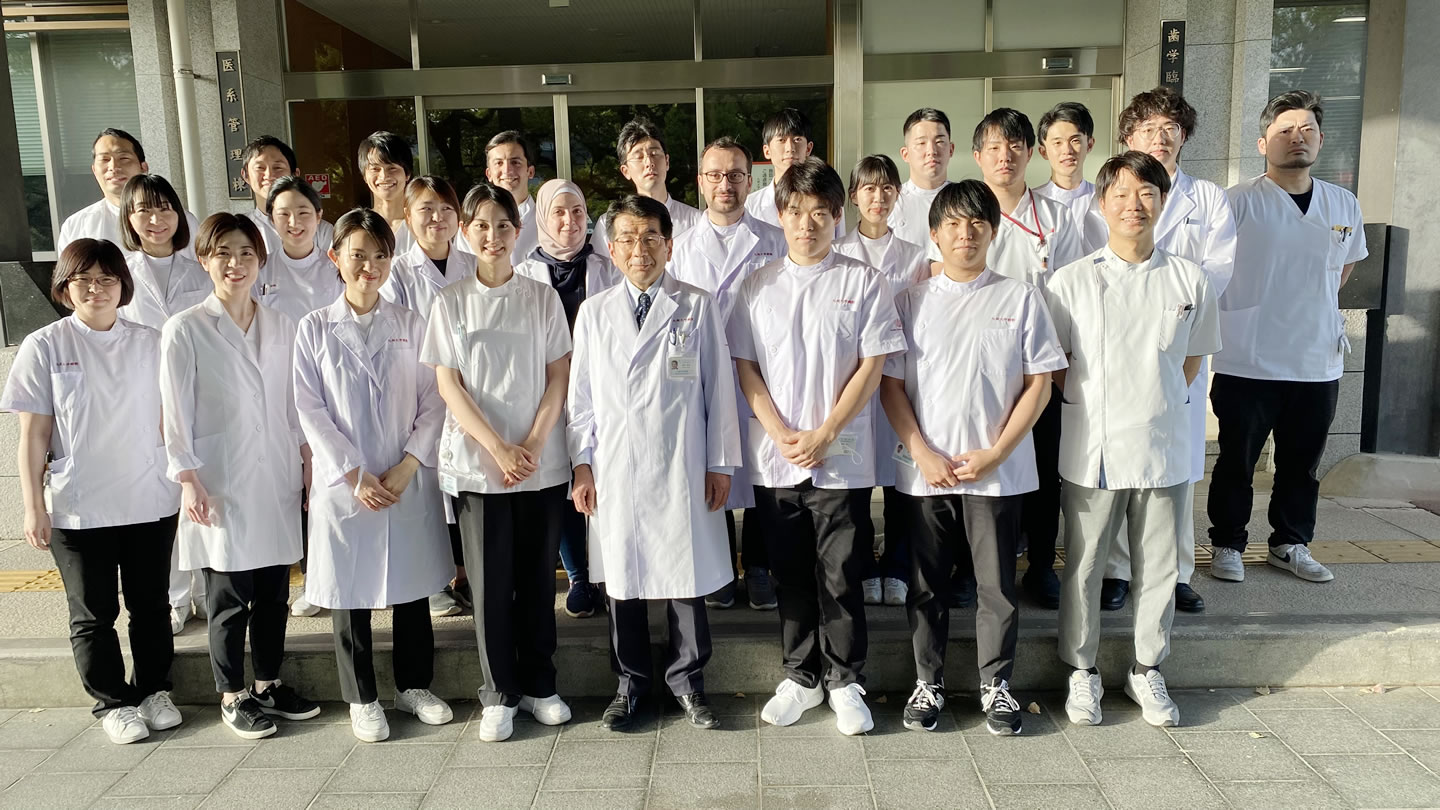
MEMBER
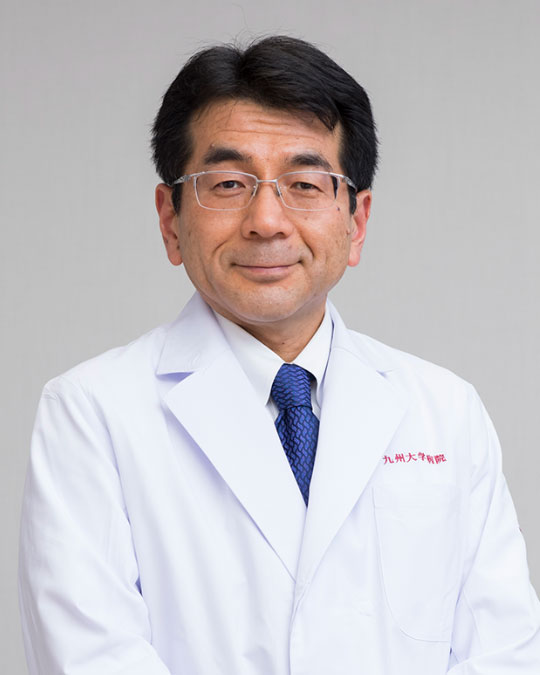
Professor/Hidefumi Maeda
- Professor
- Hidefumi Maeda
- Lecturer
- Daigaku Hasegawa
- Assistant Professor
- Junko Obata
- Assistant Professor
- Sayuri Hamano
- Assistant Professor
- Shinichiro Yoshida
- Assistant Professor
- Hideki Sugii
- Assistant Professor
- Tomohiro Itoyama
- Assistant Professor
- Daiki Yamashita